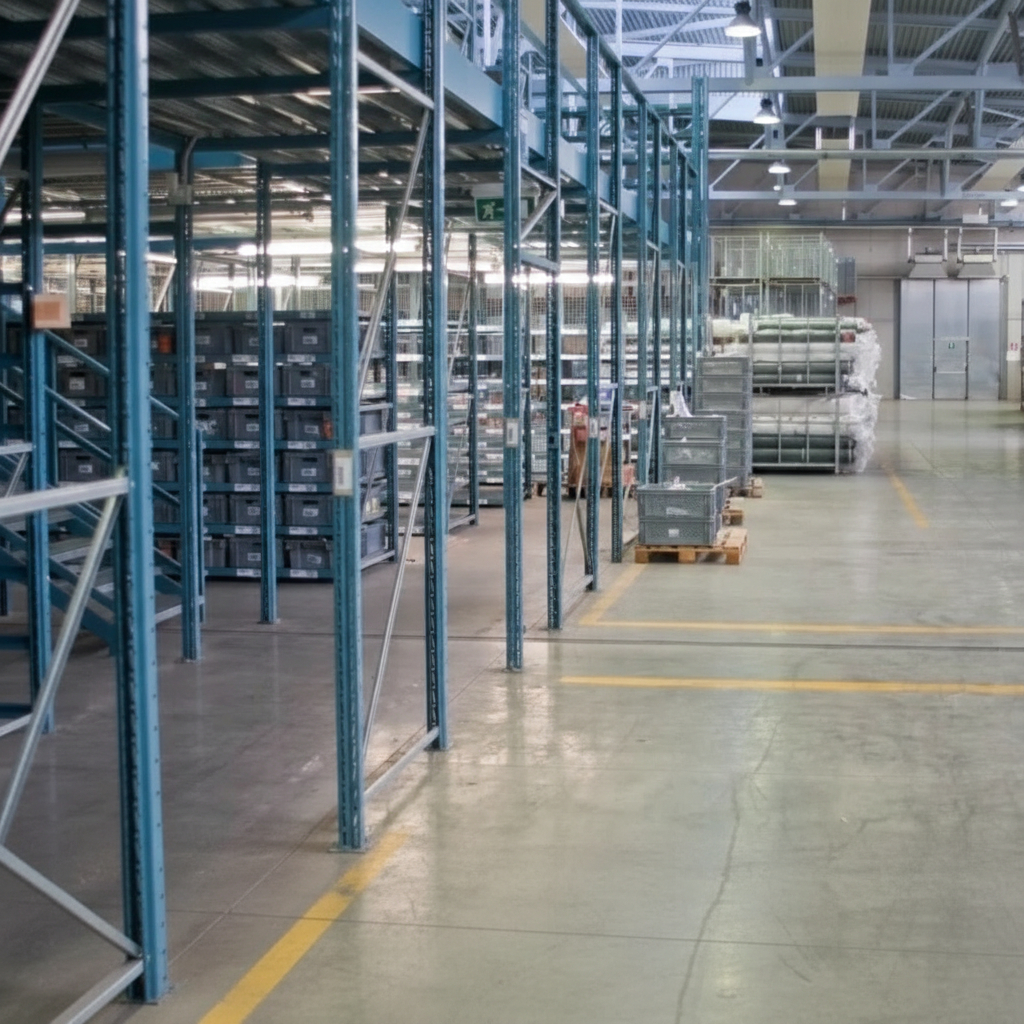
The facility relied on multiple large compressors and auxiliary mechanical systems operating 24/7 to maintain strict temperature requirements. Electrical analysis revealed poor power factor under dynamic load conditions, elevated harmonic distortion from variable-speed drives, and excessive reactive power circulating within the electrical system. These issues increased upstream current, contributed to avoidable heat losses, and reduced available electrical headroom—constraining future expansion and increasing operational risk.
Post-installation measurements showed materially improved power factor consistency, reduced harmonic distortion, and lower RMS current across the mechanical feeders. These improvements translated into reduced electrical losses, improved thermal performance of electrical components, and measurable released capacity within the facility’s electrical infrastructure. The facility achieved these gains without adding utility service or replacing mechanical equipment.
Post-installation measurements showed materially improved power factor consistency, reduced harmonic distortion, and lower RMS current across the mechanical feeders. These improvements translated into reduced electrical losses, improved thermal performance of electrical components, and measurable released capacity within the facility’s electrical infrastructure. The facility achieved these gains without adding utility service or replacing mechanical equipment.
By addressing power quality at the source, the facility improved system efficiency and resiliency while extending the useful life of critical refrigeration assets. The project demonstrated a practical path for cold storage operators to unlock electrical capacity and reduce risk in facilities where downtime and temperature excursions are not an option.
“Power quality issues were silently limiting our system performance. The improvements were immediate, measurable, and did not interfere with operations.”